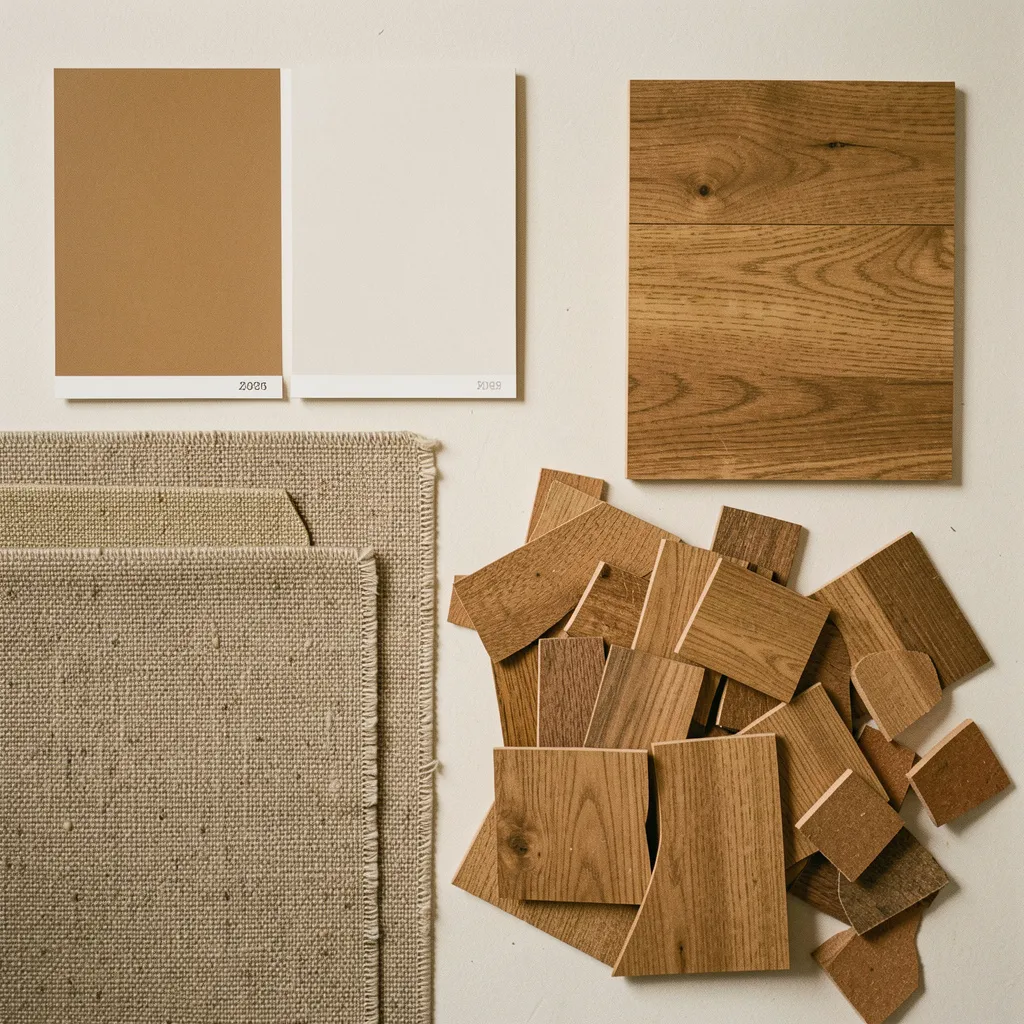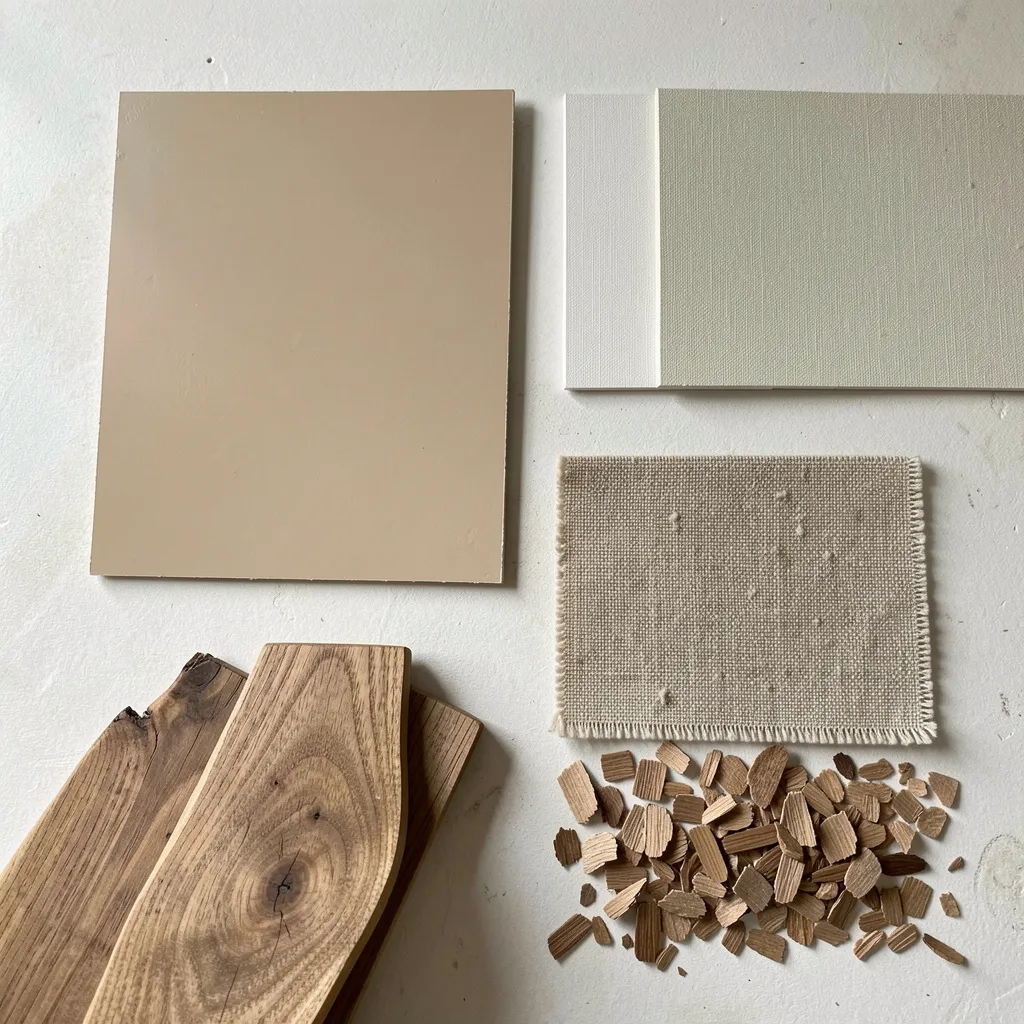
The Translation Process
A mood board captures aesthetic intent, but contractors need specific product information. Our translation process bridges this gap by converting visual references into actionable purchasing and installation guidance.
Step 1: Analysis
We examine your mood board to identify all materials, colors, textures, and finishes. Each element is catalogued with its visual characteristics and intended application area.
Step 2: Specification
Each visual element is matched with specific product categories, brand recommendations, and technical specifications. This includes color codes, material grades, and finish types.
Step 3: Documentation
We create a comprehensive document listing all materials with product links, supplier information, and installation notes. This document serves as a shopping list and reference guide.
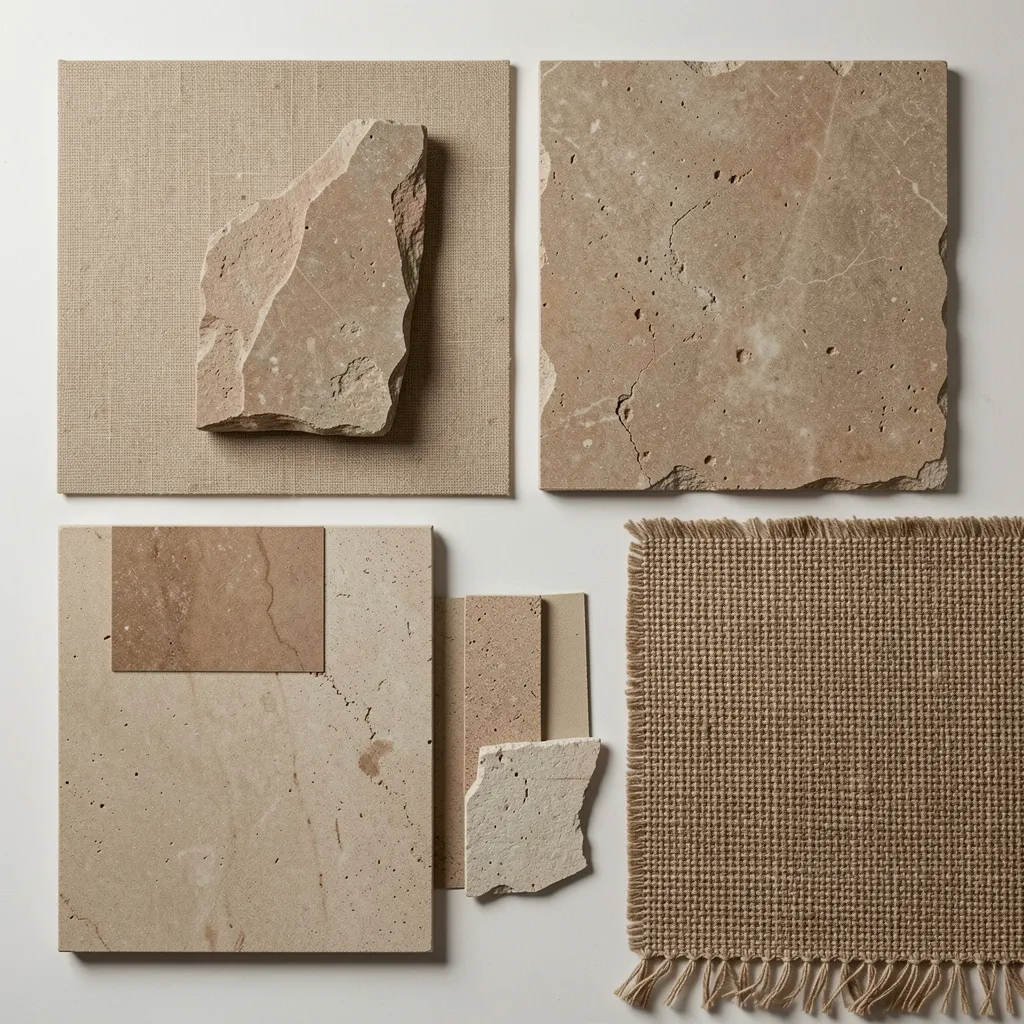
Mood Board Element
A mood board might show a warm, neutral wall color with a matte finish. The visual reference communicates the desired aesthetic but doesn't provide purchasing information.
Our analysis identifies the color family, undertones, and finish characteristics from the visual reference.
Translated Specification
The translation document provides: paint brand recommendations, specific color codes (e.g., #E2D1C3), sheen level (matte), coverage estimates, and application notes.
This information enables contractors to purchase the correct materials and apply them according to your vision.
Material Matching System
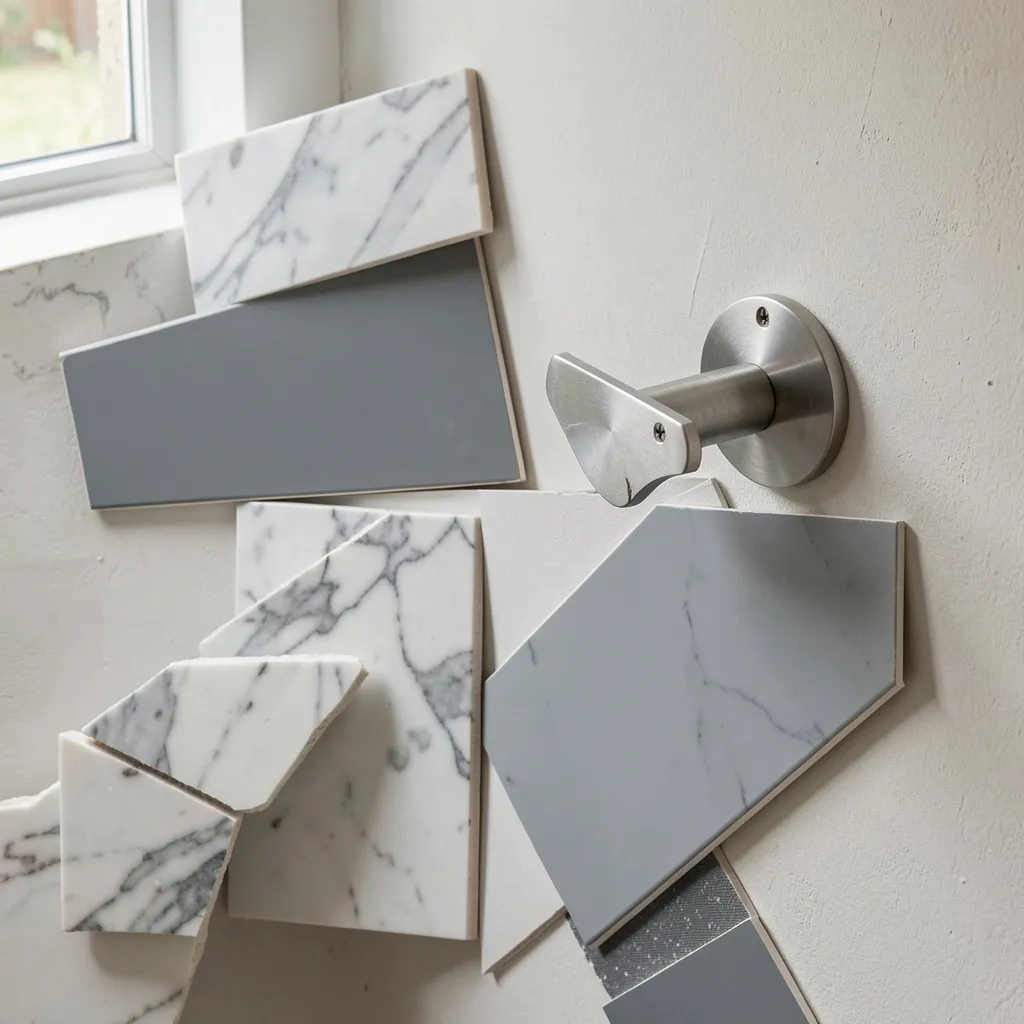
Color Matching
Visual colors are matched to standardized color systems. We provide hex codes, paint color names, and alternative brand equivalents.

Texture Identification
Surface textures are analyzed and matched to specific material types. We identify whether a texture comes from natural materials, manufacturing processes, or finish applications.

Finish Specification
Surface finishes are categorized and specified. This includes sheen levels, application methods, and maintenance requirements for each finish type.

Product Sourcing
We provide supplier information, product links, and availability notes. This helps contractors source materials efficiently and within budget constraints.
Translation Document Structure
Material List
Each material appears in a structured list with: item name, category, visual reference, specifications, supplier information, and estimated quantities.
This format makes it easy for contractors to understand requirements and place orders accurately.
Application Notes
Beyond product information, translation documents include application guidance. This covers installation methods, coordination with other materials, and sequencing considerations.
These notes help ensure materials are applied correctly and in the right order during construction.